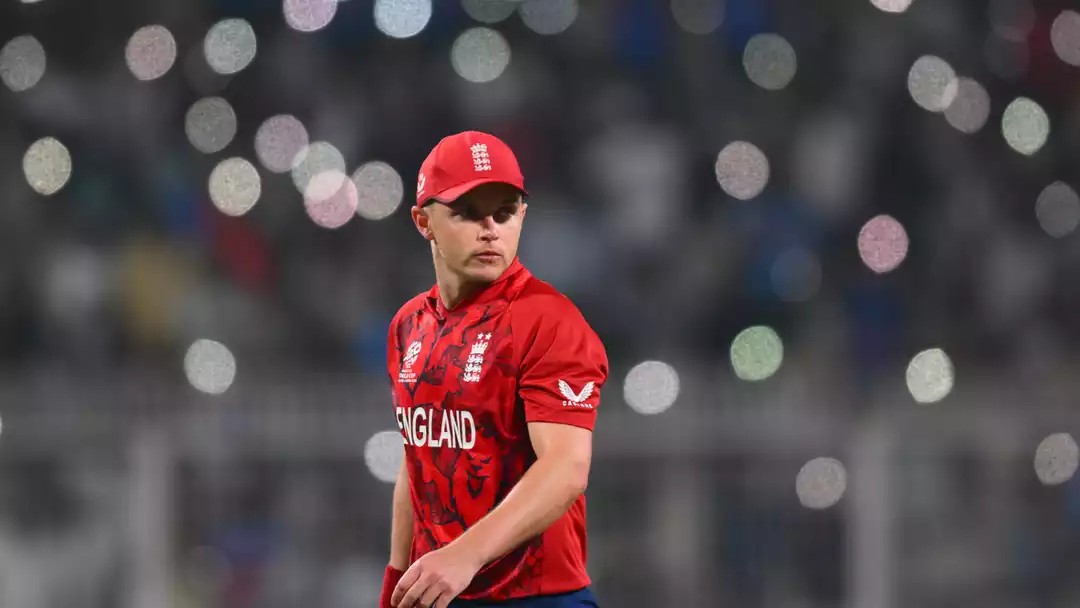
There was a time, not too long ago, when Sam Curran’s T20 story felt almost too neatly defined. Left-arm angle, clever change-ups, nerveless at the death. England knew what they were getting, and during the 2022 T20 World Cup they got it in abundance. Thirteen wickets, Player of the Tournament, and a role executed with almost mechanical clarity.
What followed was a noticeable dip in rhythm.
By the time the 2024 T20 World Cup came around, Curran looked slightly off his usual groove. The wickets thinned out, the economy crept up, and the sense of inevitability around his overs faded. It wasn’t a collapse, but it was enough to raise a quiet question: had the format nudged slightly ahead of him, or was he simply caught between roles?
Over the past year, the answer has begun to settle into something more interesting than a simple return to peak numbers.
Start with the ILT20, where Curran’s body of work with Desert Vipers over the last two seasons has been hard to ignore. The title this year only sharpened the impression of a player who has broadened his T20 footprint rather than merely rediscovered old tricks. From the outside, the shift is visible in the way he now moves through innings. Inside the camp, the messaging has been quite deliberate.
“Sam’s been with us for just over two seasons now and he’s been simply incredible in that time,” James Foster, the Desert Vipers head coach, says in a chat with Cricbuzz. “With the bat, we generally slot him around four or five. There’s always a bit of flex depending on the situation – left-right combinations, opposition match-ups – but in essence we’re keen to get someone like Sam in early because he’s been so successful doing that across competitions.”
That last bit matters. For most of his white-ball career, Curran the batter was insurance – important, but rarely central. What the Vipers have done – and what England are slowly beginning to lean into again – is push him slightly closer to the centre of the innings.
Foster is clear about why. “He has the ability, even if you’re two down in the Powerplay, to come in and still be positive and aggressive with really strong shots,” he says. “He thrives in difficult situations. He loves challenges.”
That appetite for moments like this has long been part of Curran’s makeup. What has changed is the method of his batting around it. He is staying leg-side of the ball longer, accessing straight boundaries more cleanly and, crucially, looking far less rushed against spin. The unbeaten 74 in the ILT20 final offered the clearest snapshot.